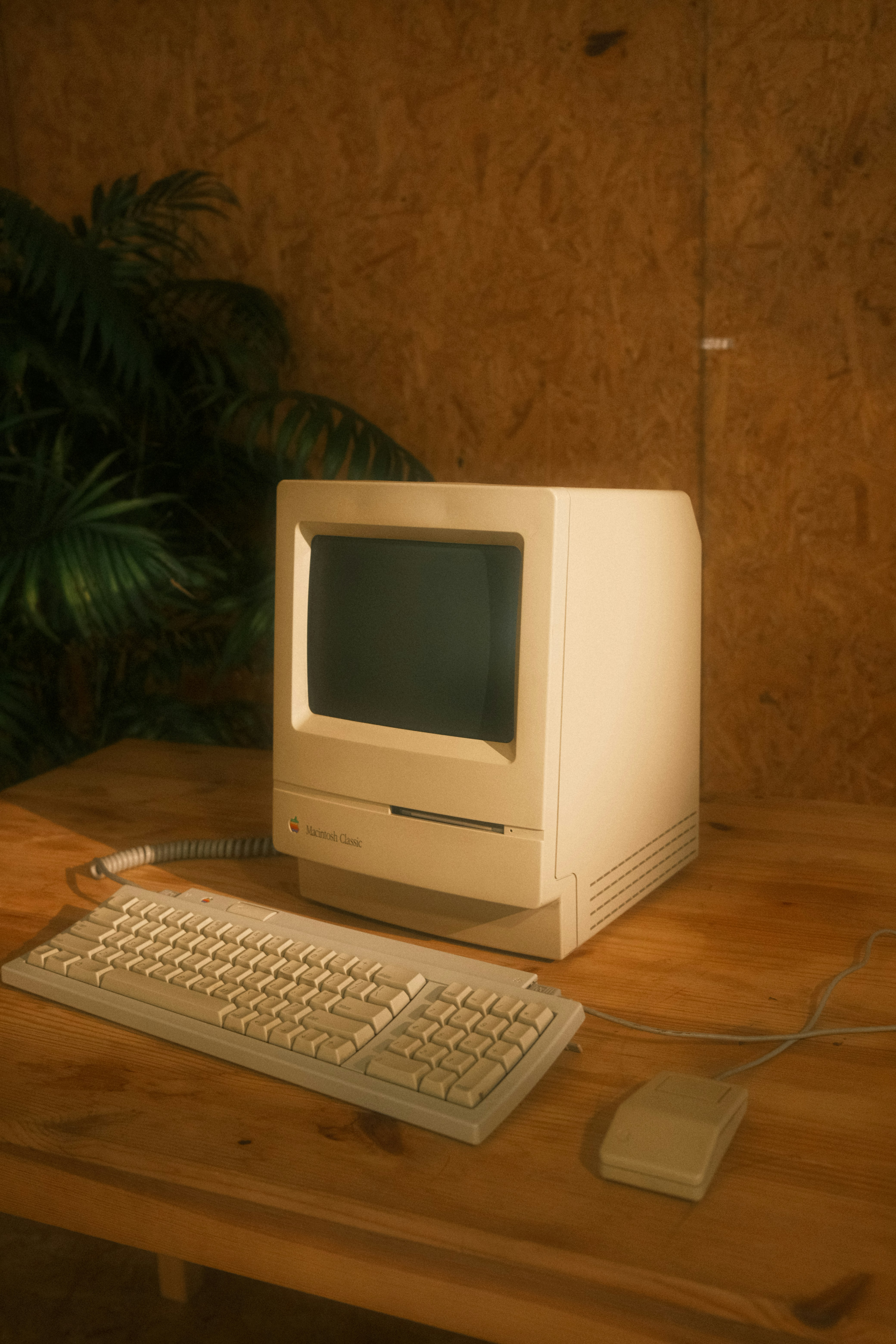
Why Outdated Websites Are a Problem in 2026
Let's be honest. Your website might be "fine."
It works. Nothing is broken. All the info is there. From your side, there's no urgency.
But that's not how people see it. Not because trends changed. Because behavior did.
People don't move through websites the way they used to. They don't "browse." They don't "explore." They decide. Quickly.
You open a site. A few words. A quick scroll. Maybe one glance at the menu. That's it. You're not thinking: "Let me understand this properly." You're thinking: "Is this worth my time?"
And if the answer isn't obvious… You're gone.
Because your website is not just "there for information." It's your first impression. Your tone. Your credibility. And now, all of that is judged in seconds. Not minutes.
So when a site feels cluttered, slow, or unclear, people don't translate it into: "they probably haven't updated this yet." They read it as: something's off. something's behind. something I can't fully trust.
People are faster now. Not in a rushed way — in a filtered way. They've seen enough. They recognize patterns.
So they don't dig deeper. They skip.
This is the shift most websites haven't caught up with. They're still built for a slower user. Someone who reads everything. Clicks around. Figures it out. That user barely exists anymore.
Now it's more like this: If I don't get it → I don't trust it. If I don't trust it → I don't stay.
No frustration. No second chance. Just quiet exit.
And the tricky part is… From the business side, everything looks "fine." The site works. Nothing is broken. But people don't stay long enough to notice that. And in 2026, that's the difference.